

 Martha Alizo
Glowing skin does not require a bathroom shelf full of serums. If your routine is missing the basics, adding another trendy product usually won’t fix the problem.
For most young women, a good skincare routine starts with a gentle cleanser, moisturizer, and daily sunscreen. From there, you can add one or two targeted products based on what you actually want to improve, whether that’s acne, dark spots, uneven texture, or dehydration. Dermatologists also recommend keeping routines simple and consistent rather than constantly switching products.
That is where this list comes in.
Instead of treating every skincare product as a must-have, here’s a more useful breakdown of what deserves a place in your routine, what is optional, and which ingredients are worth paying attention to.
Daily Skincare Must Haves For Glowing Skin
1. A gentle cleanser
Your cleanser does not need to make your face feel “squeaky clean.”
In fact, that tight, stripped feeling can be a sign that you’ve gone too far. A good cleanser removes sweat, excess oil, makeup, sunscreen, and everyday dirt without leaving your skin uncomfortable afterward.
The American Academy of Dermatology recommends washing your face up to twice a day and after sweating, using a gentle cleanser suited to your skin type.
If your skin is dry or sensitive, look for a hydrating or fragrance-free cleanser. If you have oily or acne-prone skin, a gentle foaming cleanser may feel more comfortable. You don’t necessarily need separate cleansers for morning and night.
Amazon products worth considering:
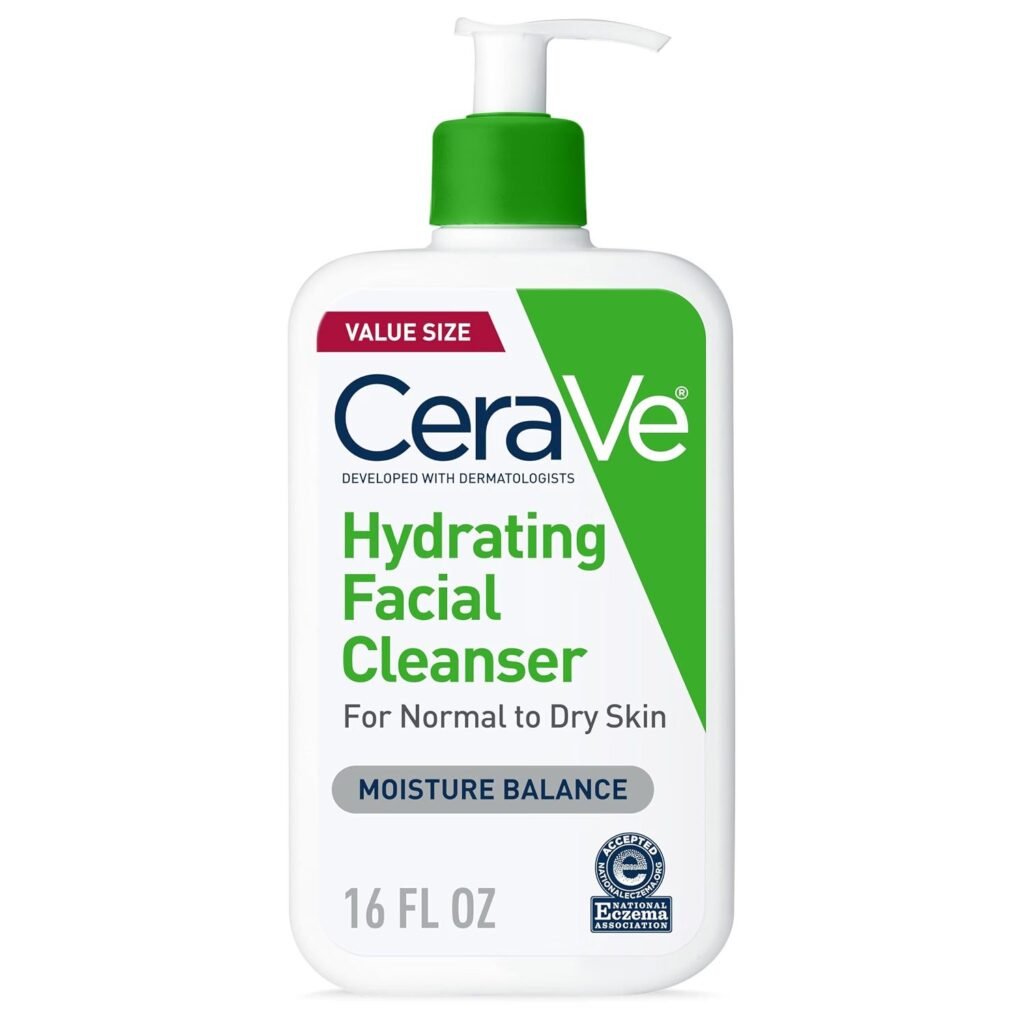
Simple option for normal-to-dry skin.
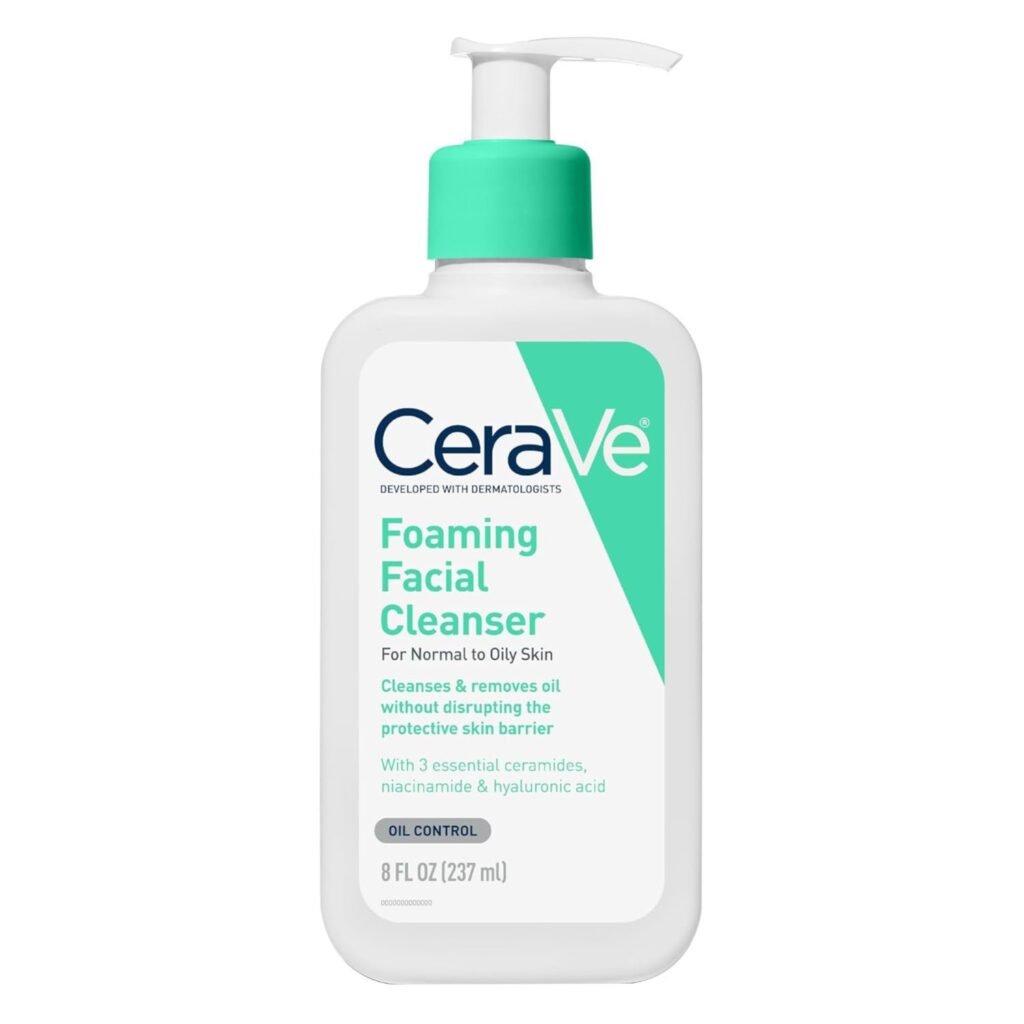
Better suited to normal-to-oily skin.
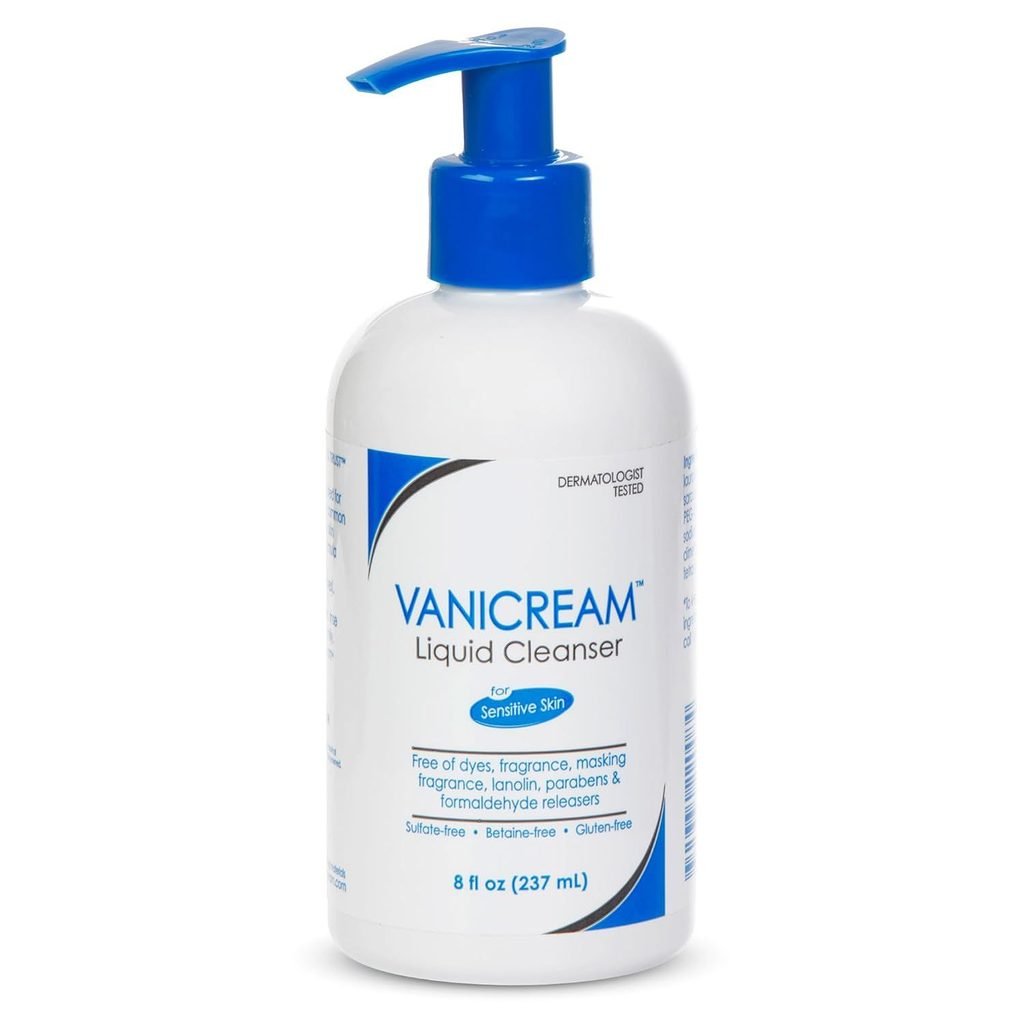
For skin that is easily irritated
If you wear makeup or water-resistant sunscreen, you may prefer using a cleansing balm or oil first and then following with your regular cleanser at night.
2. Moisturizer
If you have oily or acne-prone skin, you might be tempted to skip moisturizer. Don’t.
Your skin still needs water and a healthy barrier even when it produces plenty of oil. In fact, some acne treatments, including salicylic acid, benzoyl peroxide, and topical retinoids, can dry and irritate the skin. A suitable moisturizer can make these treatments easier to tolerate.
Look for a lightweight, non-comedogenic moisturizer if you’re prone to clogged pores. If your skin is dry, you can use something richer. You also don’t need an expensive cream simply because the packaging looks luxurious. The moisturizer’s job is fairly straightforward: keep your skin comfortable and reduce water loss.
Amazon products worth considering:
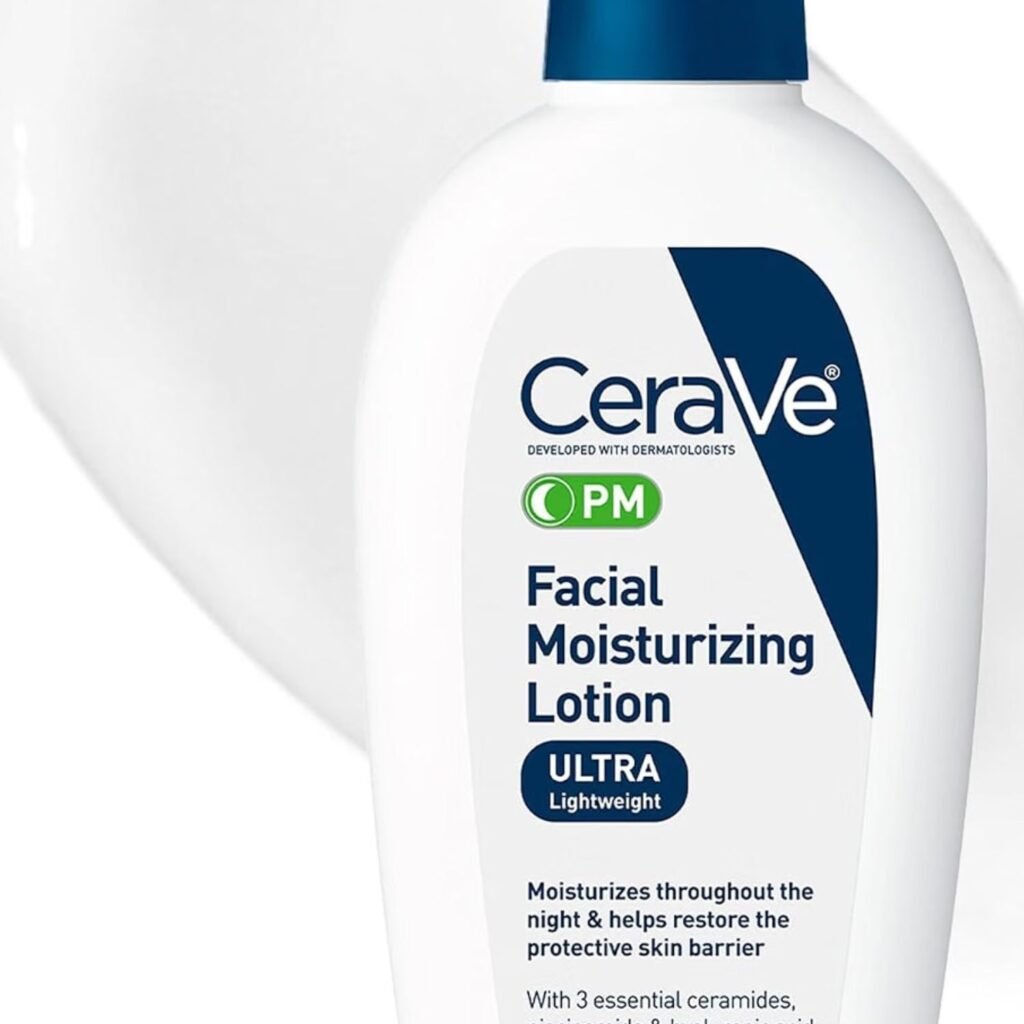
CeraVe Facial Moisturizing Lotion
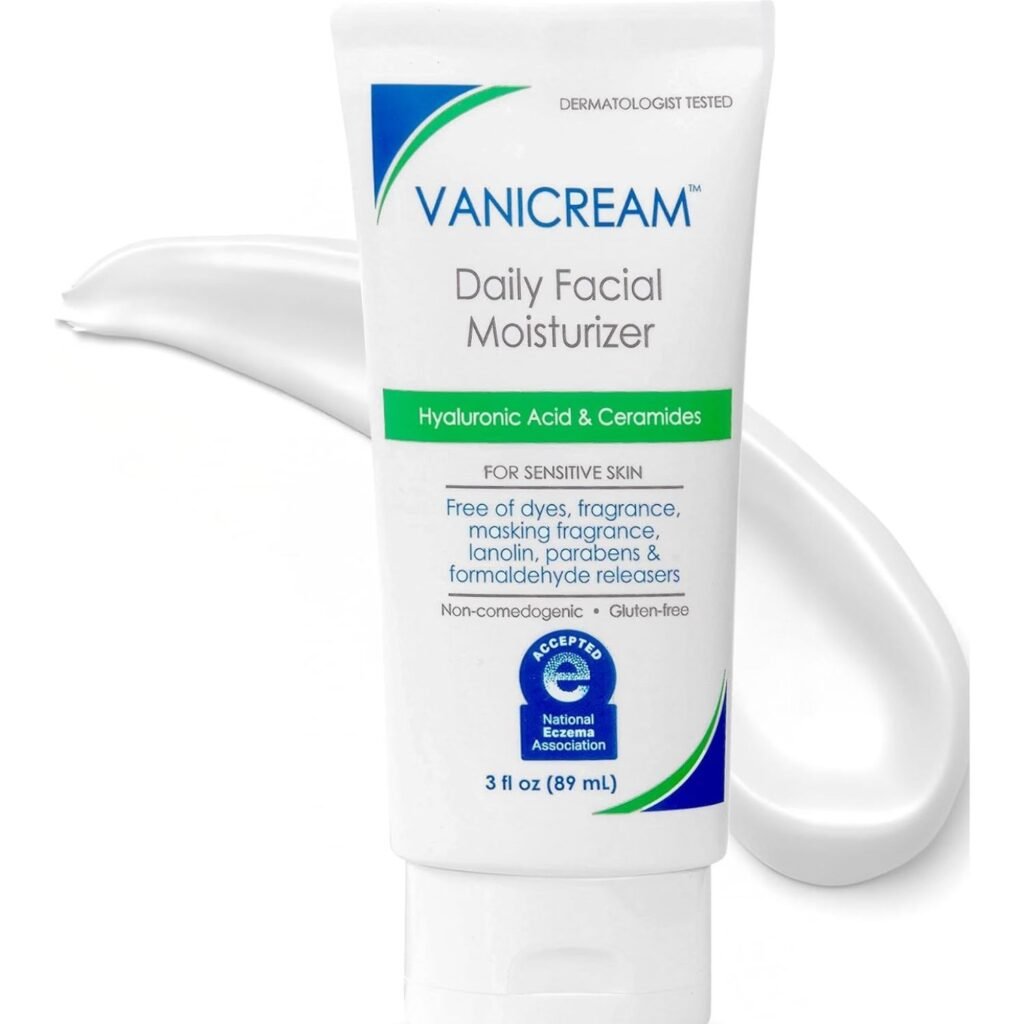
Vanicream Daily Facial Moisturizer
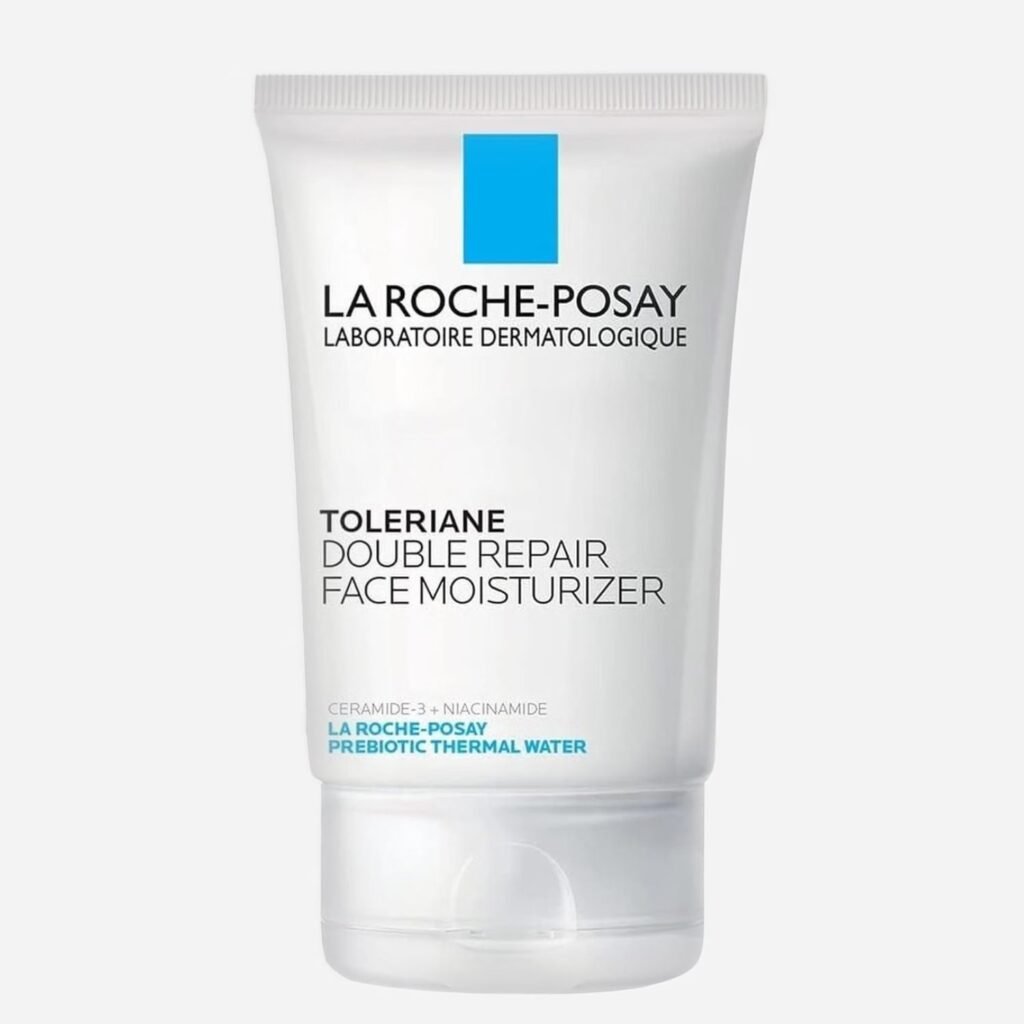
La Roche-Posay Toleriane
Apply moisturizer after cleansing. If your skin is still slightly damp, that’s often a good time to put it on.
3. Sunscreen — the one product you shouldn’t skip
If you’re trying to improve your skin tone, dark spots, or overall glow, daily sunscreen deserves more attention than another “brightening” serum.
UV exposure contributes to premature skin aging and pigmentation, and broad-spectrum sunscreen helps protect against both UVA and UVB radiation. The AAD recommends a broad-spectrum, water-resistant sunscreen with SPF 30 or higher.
And no, SPF 50 does not mean you can stay in the sun for 50 times longer. SPF measures protection against UVB under standardized conditions; it isn’t a timer.
Choose a sunscreen you will actually enjoy wearing. If a formula leaves a cast, pills underneath makeup, or makes you feel greasy, you’re less likely to use enough of it.
For acne-prone skin, look for “non-comedogenic” or “won’t clog pores” on the label. Tinted sunscreens can also be useful if you’re concerned about a visible white cast.
Amazon products worth considering:
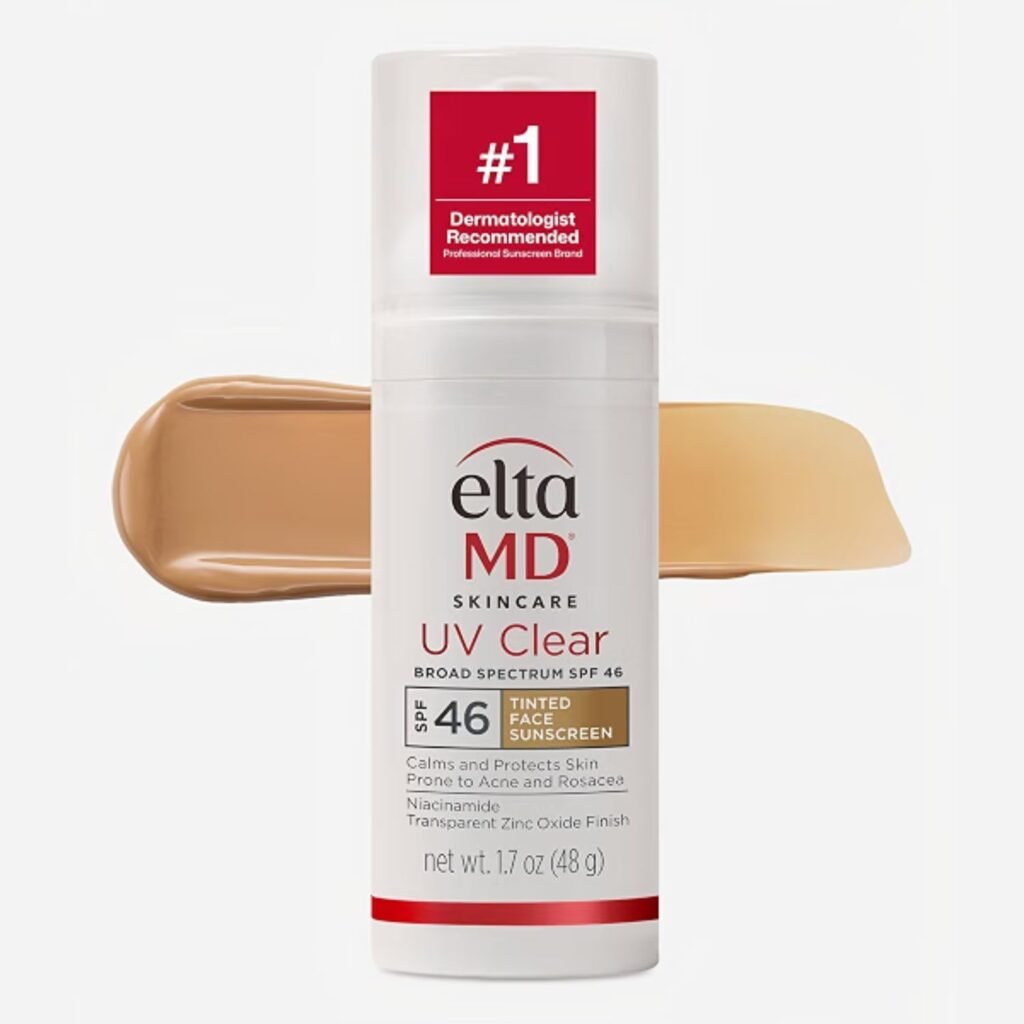
EltaMD UV Clear Face Sunscreen
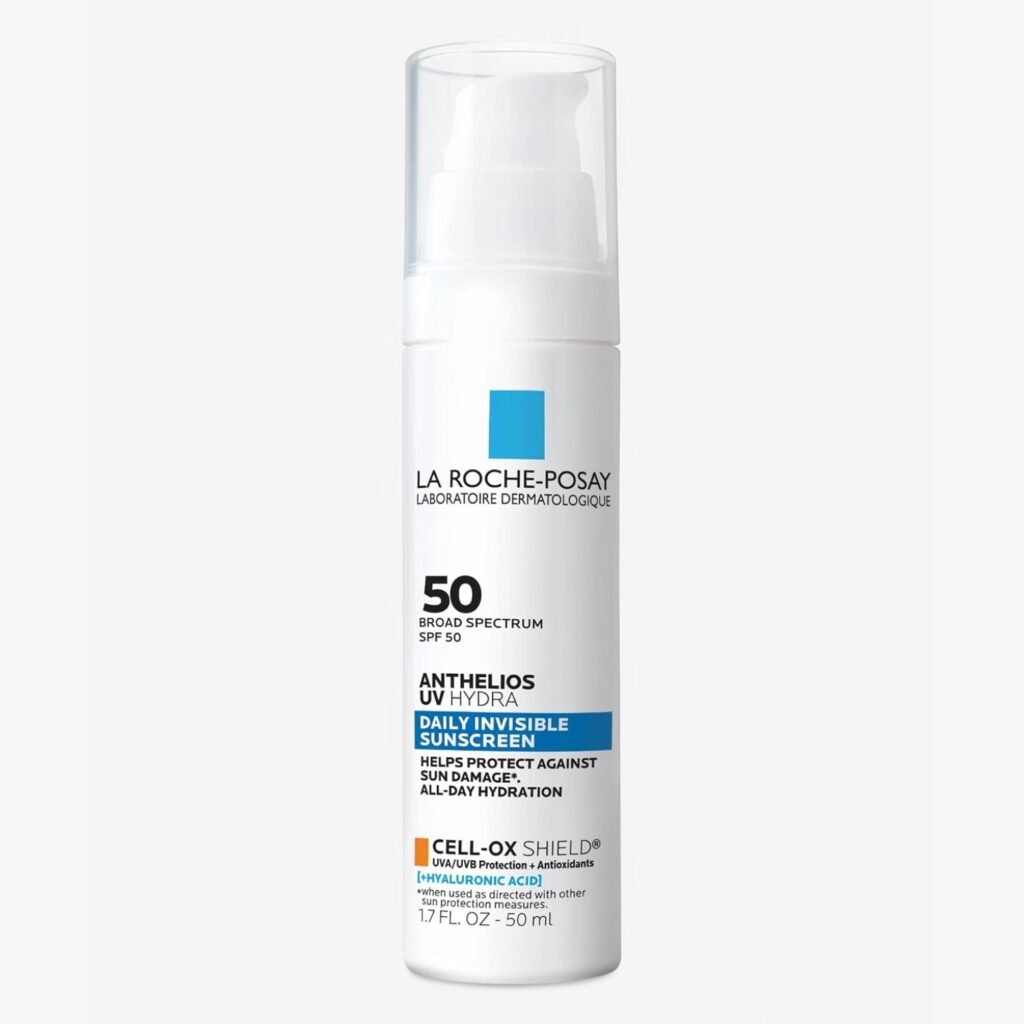
La Roche-Posay facial sunscreen
CeraVe Hydrating Sunscreen
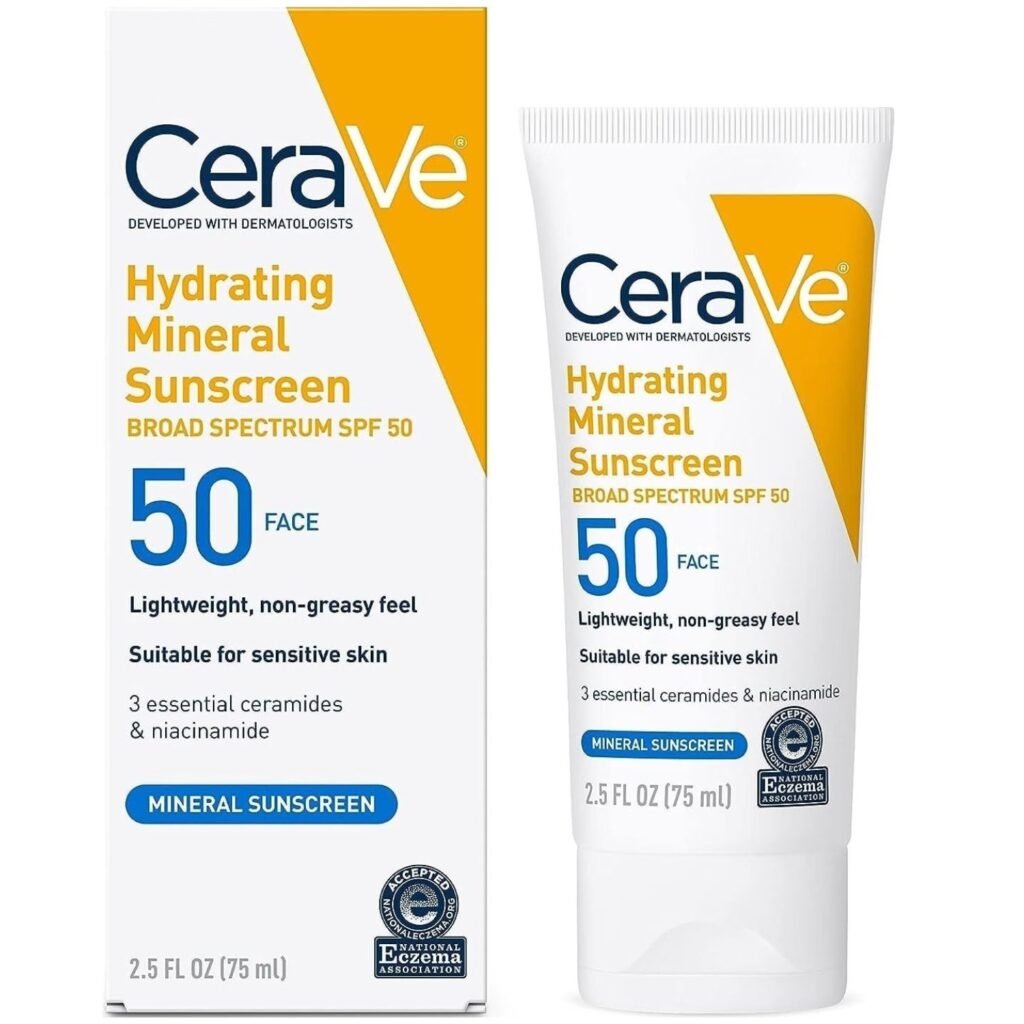
Put sunscreen on after your other morning skincare and before makeup. If you’re spending time outdoors, reapply as directed, particularly after swimming or sweating.
4. A vitamin C serum for dullness and uneven tone
Vitamin C can be a useful addition if your main goal is brighter-looking skin or a more even complexion.
The AAD notes that vitamin C can help reduce signs of skin aging and dark spots. It is generally used after cleansing in the morning and before sunscreen.
But you don’t have to start with the strongest vitamin C serum you can find.
If you’ve never used one before, introducing a highly concentrated formula straight away can be unnecessary, particularly if your skin is sensitive. Give your skin time to adjust and pay attention to how it responds.
Amazon products worth considering:
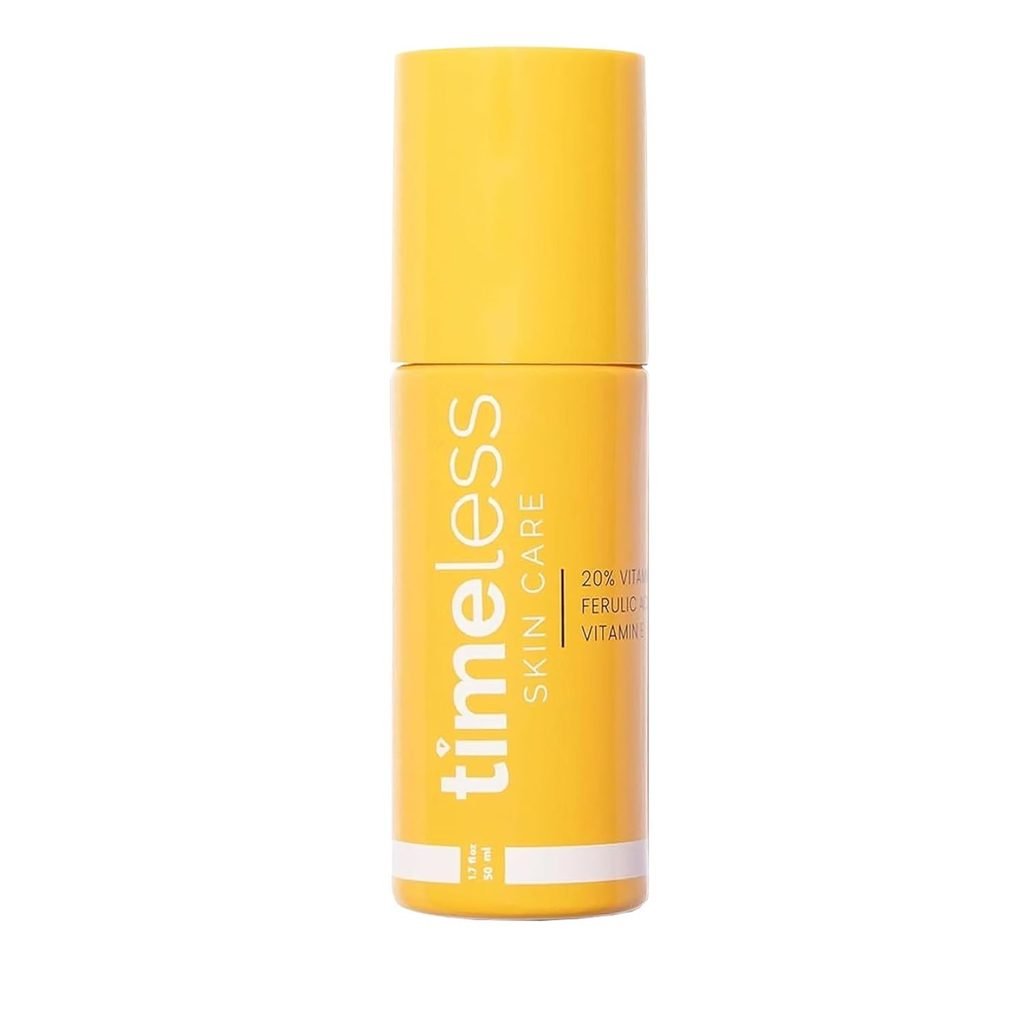
Timeless Vitamin C + E Ferulic Acid Serum
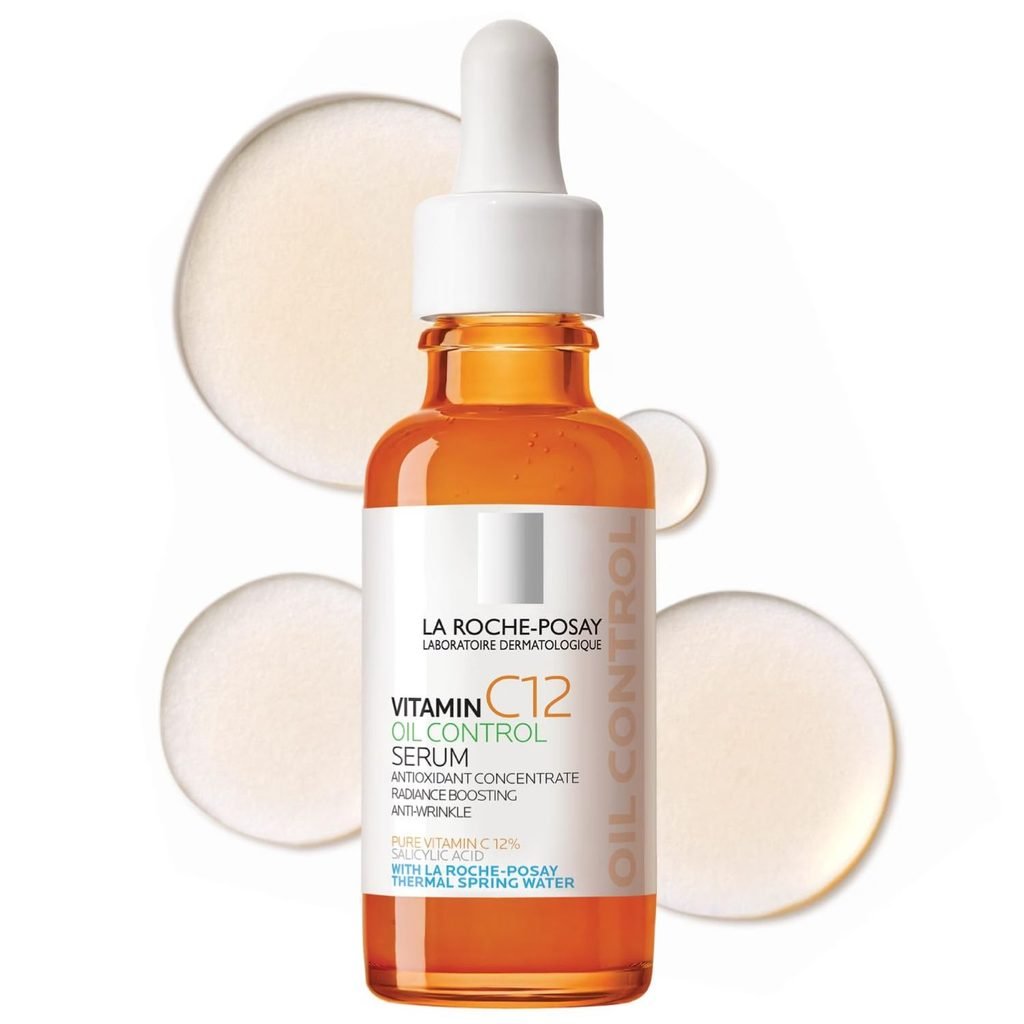
La Roche-Posay Pure Vitamin C Serum
Vitamin C is an optional treatment step, though. If your budget only allows for three products, buy your cleanser, moisturizer, and sunscreen first.
5. One treatment for your specific skin concern
This is where many skincare routines become unnecessarily complicated.
You don’t need a separate serum for every problem you see in the mirror. Pick the concern that bothers you most and choose an ingredient that makes sense for it.
For clogged pores and breakouts
Salicylic acid is a common choice for acne-prone skin because it helps unclog pores. Benzoyl peroxide and topical retinoids are also established acne treatments.
If you have occasional blackheads or clogged pores, a salicylic acid cleanser or leave-on product may be enough.
Don’t start several acne treatments at the same time. That makes it difficult to know what is helping and can leave your skin irritated.
For dark spots after acne
Azelaic acid is another ingredient worth knowing about. According to the AAD, it can help with acne while also reducing the dark spots that can remain after breakouts.
This can be particularly useful if your biggest frustration isn’t the occasional pimple itself, but the mark it leaves behind.
For texture and fine lines
Retinoids have a long history of use in dermatology. They can help unclog pores, improve uneven pigmentation and texture, and reduce fine lines. Retinol is a milder over-the-counter form within the retinoid family.
You do not need a retinoid simply because you’re young and worried about aging, though. If you’re mainly dealing with acne, pigmentation, or rough texture, choose your treatment based on that concern.
And start slowly. Retinoids can irritate the skin, especially when you use too much or introduce them too quickly. The AAD notes that starting with a less-intense formula and using it every other night can help reduce irritation.
One important exception: retinoids should not be used during pregnancy. If you’re pregnant or trying to become pregnant, talk to your healthcare professional about appropriate skincare ingredients.
6. An exfoliant, if your skin actually needs one
Exfoliation can help with rough texture, clogged pores, and dull-looking skin, but it isn’t automatically a required step.
This is one place where the original “must-have” approach to skincare can be misleading. You don’t need to scrub your face because your skin looks dull.
Chemical exfoliants such as AHAs and BHAs can be useful for particular concerns. Salicylic acid, for example, is commonly used for clogged pores and acne.
The mistake is piling an exfoliating toner, acid serum, scrub, acne treatment, and retinol into the same routine.
More irritation does not equal more glow.
If you’re already using an active acne treatment or retinoid, be especially careful about adding another exfoliant. Your skin may need less, not more.
7. A simple lip balm
This isn’t going to transform your complexion, but it is one of those small products you’ll actually use.
If your lips become dry easily, keep a basic lip balm nearby. During outdoor activities, an SPF lip balm is useful because your lips are exposed to the sun too.
There’s no need to spend a fortune here. A straightforward moisturizing lip product can do the job.
MUST READ==> Glass Skin Routine for Black Women
8. Body care is worth including
Your face isn’t the only skin you have.
If you’re working on an overall glow-up, basic body care can make a noticeable difference in how your skin feels and looks. You don’t need a complicated body routine. A body cleanser, moisturizer, and sunscreen for exposed areas are enough to start.
If rough bumps or uneven texture are your concern, products containing ingredients such as lactic acid or salicylic acid may be useful. But just as with facial skincare, introduce exfoliating products gradually rather than using several at once.
A plain body moisturizer used consistently will usually do more for dry skin than an expensive body treatment that sits unopened in your cabinet.
What about lash serums and “retinol alternatives”?
This is one area where it’s worth separating beauty extras from skincare essentials.
Lash serums can be an optional beauty product if fuller-looking lashes are part of your routine. They are not necessary for healthy facial skin, so I wouldn’t put one ahead of sunscreen, moisturizer, or a cleanser.
The same goes for products marketed as “retinol alternatives.” Ingredients such as bakuchiol can be interesting, but they shouldn’t automatically be presented as equivalent replacements for retinoids.
If you’re looking for a retinoid specifically for acne, pigmentation, or texture, the evidence and treatment options are different from simply buying a product labeled “retinol alternative.”
The skincare routine I’d actually start with
If you’re overwhelmed by all the products on TikTok, Instagram, and beauty shelves, strip the routine back.
Morning
- Gentle cleanser, if you need one.
- Vitamin C or another treatment product, if you’re using one.
- Moisturizer.
- Broad-spectrum SPF 30 or higher.
Night
- Remove makeup and sunscreen.
- Gentle cleanser.
- Your chosen treatment, if you’re using one.
- Moisturizer.
That’s enough to build a solid routine.
You can add an exfoliant or another treatment later if you have a specific reason to use it. You don’t need to buy six new products on the same shopping trip.
Consistency matters, too. The AAD notes that it can take at least 30 days to judge whether a skincare product is working, while acne treatments may require several weeks of consistent use before you see improvement. Constantly changing your routine makes it harder to tell what is actually helping.
The products I’d prioritize if you’re on a budget
If you are starting from zero, don’t spend your money evenly across every category.
Buy these first:
- Gentle cleanser
- Moisturizer
- Broad-spectrum SPF 30+
- One treatment for your main skin concern
Add later if you need them:
- Vitamin C serum
- Exfoliant
- Lip balm with SPF
- Body exfoliant
- Lash serum
That order makes more sense than spending $70 on a treatment serum while using no sunscreen.
Glowing skin is usually less about having the longest routine and more about using the right few products consistently. Start with the basics, figure out what your skin actually needs, and add treatments one at a time. Your skincare shelf doesn’t need to look like a beauty store for your skin to look good.




[…] ALSO READ==> The essential skincare products you actually need for glowing skin in 2026 […]
[…] MUST READ==> The essential skincare products you actually need for glowing skin in 2026 […]
[…] ALSO READ==> The essential skincare products you actually need for glowing skin […]