
 Martha Alizo
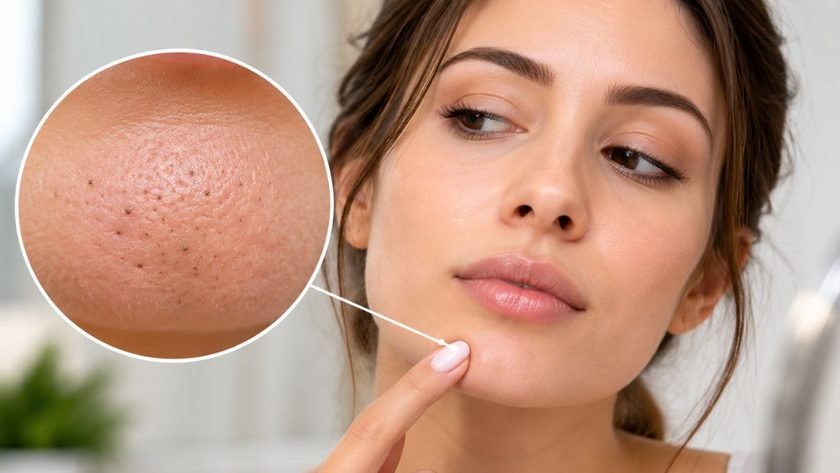
Blackheads on the chin can be surprisingly stubborn. You clear a few, your skin looks smoother for a while, and then those tiny dark dots seem to fill the same pores again.
Part of the problem is how blackheads are treated. Scrubbing harder, squeezing them in the mirror, or piling several exfoliating products onto your chin may irritate the area without addressing what is happening inside the pore.
Blackheads are a mild form of acne called open comedones. They develop when excess oil and dead skin cells collect inside a hair follicle. Because the opening remains exposed to air, the material at the surface oxidizes and becomes dark. The black color isn’t trapped dirt, so you cannot simply scrub it away.
Getting rid of chin blackheads usually takes two things: clearing existing clogged pores and using a routine that makes new clogs less likely to form.
What Causes Blackheads on Your Chin?
Your chin sits in the lower part of the T-zone, an area where clogged pores and acne are common. Blackheads can develop when oil and dead skin cells accumulate inside a follicle and block the pore.
Several things can make this more likely.
Naturally oily skin:
More sebum means there is more oil available to mix with dead skin cells inside the pores. Having oily skin doesn’t guarantee blackheads, but it can make clogged pores more common.
Hormonal changes:
Hormones can influence oil production, which helps explain why acne may change during puberty, menstrual cycles, and other periods of hormonal fluctuation.
Products that clog your pores:
Rich skincare, makeup, sunscreen, and hair products can sometimes contribute to breakouts in acne-prone skin. If your chin clogs easily, products labeled non-comedogenic or non-pore-clogging are usually a better place to start.
Leaving makeup and sunscreen on overnight:
Makeup itself isn’t automatically responsible for blackheads, but sleeping without properly cleansing your face leaves oil, cosmetics, sunscreen, and other residue sitting on your skin.
Picking and squeezing:
A blackhead looks as though it should be easy to squeeze out. The problem is that repeated picking can injure the surrounding skin and increase your chances of inflammation, infection, and scarring. The American Academy of Dermatology recommends treating blackheads rather than squeezing them.
Some people also repeatedly rest their chin in their hands or touch the area throughout the day. That isn’t necessarily the original cause of blackheads, but reducing unnecessary touching is sensible when your chin is already acne-prone.
Before treating every dark dot you see, take a closer look at your skin. Sebaceous filaments, normal structures that help move sebum to the skin’s surface, can resemble tiny blackheads, particularly on oilier areas of the face. Trying to extract every visible pore can leave your skin irritated without giving you the perfectly poreless result you were expecting.
MUST READ==> 9 Best Korean Skincare Routine Tips and Products for Glowing Skin
How to Get Rid of Blackheads on Your Chin
The most useful routine isn’t necessarily the one with the greatest number of products. Start with ingredients that actually help unclog pores and give them enough time to work.
1. Use Pore Strips for Temporary Removal
Pore strips can lift some of the material sitting in open pores, which is why your chin may look smoother immediately after using one.
That quick result has a limitation: a pore strip doesn’t change the underlying tendency for the follicle to become clogged. If oil and dead skin cells continue accumulating, the blackhead can return.
Think of pore strips as an occasional cosmetic fix rather than your main blackhead treatment.
Don’t repeatedly apply strips to irritated, peeling, or damaged skin, and resist following a pore strip with an aggressive scrub or strong exfoliating acid. Your skin doesn’t need every pore-clearing technique in a single evening.
2. Wash Your Skin With a Salicylic Acid Cleanser
If blackheads are your main concern, salicylic acid is one of the ingredients worth looking for.
Salicylic acid helps exfoliate dead skin cells and clear clogged pores, and dermatologists specifically recommend it for blackheads and whiteheads.
You can find it in both cleansers and leave-on products.
A salicylic acid cleanser is often an easy way to introduce the ingredient, particularly if you don’t want another leave-on treatment in your routine. Massage your cleanser over your skin gently rather than scrubbing your chin with a washcloth or cleansing brush.
If daily use leaves your skin tight, flaky, or irritated, reduce how often you use it. More exfoliation isn’t automatically better.
3. Remove Your Makeup Completely
Wash off makeup before going to bed, especially foundation, concealer, and other products worn around your chin.
If you wear heavier makeup or water-resistant sunscreen, you may prefer to remove it first with micellar water, cleansing balm, or cleansing oil and then follow with your regular facial cleanser.
You don’t need to double cleanse simply because it is popular. The point is to get your makeup and sunscreen off without repeatedly washing or scrubbing your skin.
After cleansing, your face should feel clean but comfortable, not painfully tight or squeaky.
4. Exfoliate Carefully
This is where blackhead routines can go wrong very quickly.
If you’re already using salicylic acid, you are exfoliating your skin. You don’t necessarily need to add a gritty facial scrub, exfoliating brush, glycolic acid toner, and peeling solution on top of it.
Blackheads aren’t caused by a dirty surface that needs to be polished away.
In fact, the American Academy of Dermatology specifically warns against scrubbing blackheads because the dark material isn’t dirt, and scrubbing can aggravate acne.
For blackhead-prone skin, chemical exfoliation is often more useful than aggressive physical scrubbing because ingredients such as salicylic acid help address pore congestion.
Start slowly and watch how your skin responds. Burning, persistent redness, excessive peeling, and tenderness are signs to pull back rather than exfoliate more often.
5. Consider a Topical Retinoid
For stubborn or recurring chin blackheads, a topical retinoid may make a bigger difference than adding another mask or scrub.
Retinoids help clear clogged pores and prevent new comedones from developing. Adapalene is a retinoid used specifically for acne and is available without a prescription in the United States. The American Academy of Dermatology recommends retinoids for treating blackheads and whiteheads.
One important distinction: retinol and adapalene aren’t the same thing.
Retinol is widely sold in cosmetic skincare products. Adapalene is an acne medication with established use for clogged pores and acne. If blackheads are your actual treatment target, don’t assume that any product with the word “retinol” will work in the same way.
Retinoids can cause dryness, peeling, and irritation when you first start using them. Introduce them gradually rather than immediately applying them every night, and use moisturizer to help your skin tolerate treatment.
They also aren’t instant blackhead removers. Acne treatments generally need consistent use before you can fairly judge whether they’re working. The AAD advises giving an over-the-counter acne treatment about six to eight weeks before deciding whether it is helping.
If you’re pregnant or trying to become pregnant, talk with your doctor or dermatologist before starting acne treatments on your own, particularly retinoids.
6. Try a Clay Mask If Your Skin Is Very Oily
A clay mask can be useful when your chin becomes noticeably oily because clay can absorb oil from the skin’s surface.
What it shouldn’t be expected to do is permanently “pull toxins” or pull every blackhead out of your pores.
Use a clay mask as an optional oil-control step rather than the foundation of your treatment. Once a week may be plenty, especially if your routine already contains salicylic acid or a retinoid.
If your skin feels tight and uncomfortable every time you rinse the mask off, it probably isn’t helping enough to justify the irritation.
7. See a Dermatologist for Stubborn Blackheads
Sometimes a solid home routine still isn’t enough.
A dermatologist can determine whether those persistent bumps are actually blackheads and recommend stronger treatment when appropriate. Prescription retinoids are one option for acne that isn’t responding sufficiently to non-prescription products.
Professional extraction may also be appropriate for certain stubborn comedones. The difference between that and squeezing them yourself is technique: dermatologists have sterile instruments and know how to remove a comedone while minimizing unnecessary damage to the surrounding skin.
Professional chemical peels may be another option in selected cases.
I’d be more cautious about jumping straight to procedures such as microdermabrasion or expensive facial treatments solely because you have a few chin blackheads. Start with proven acne treatments and get professional advice if they aren’t enough.
ALSO READ==> 10 Must-Know Beauty Tips for Oily Skin
How to Help Prevent Blackheads on Your Chin
Once your chin begins clearing, the goal changes slightly. Instead of constantly trying to extract what you see, concentrate on keeping pores from becoming clogged again.
Keep Your Routine Simple and Consistent
A basic blackhead routine could look like this:
Morning
- Gentle cleanser
- Lightweight moisturizer
- Broad-spectrum sunscreen
Evening
- Remove makeup and water-resistant sunscreen if necessary
- Cleanse
- Apply your acne treatment as directed
- Moisturize
You don’t necessarily need toner, astringent, facial scrub, pore strip, clay mask, and exfoliating serum every week.
Your active treatment is doing most of the work.
Continue Using Salicylic Acid
Don’t immediately abandon salicylic acid once your chin looks clearer. If your skin tolerates it and it has been helping, keeping it in your routine can help prevent dead skin cells from building up and blocking pores again. Salicylic acid works by helping clear dead skin cells that contribute to follicle blockage.
How frequently you need it depends on the product and your skin. Someone using a gentle salicylic acid cleanser may tolerate frequent use, while someone using a stronger leave-on exfoliant may need it less often.
Moisturize Even If Your Chin Is Oily
Oily skin still needs a moisturizer.
Skipping moisturizer because you’re afraid of clogged pores can leave acne treatments much harder to tolerate, especially when you’re using salicylic acid or a retinoid.
Choose a lightweight product labeled non-comedogenic if you’re prone to clogged pores. The goal isn’t to eliminate every trace of oil from your face. Sebum is a normal part of your skin; you’re trying to manage pore congestion without making your skin unnecessarily irritated.
Choose Non-Comedogenic Products
Look for non-comedogenic, won’t clog pores, or similar wording when choosing moisturizer, sunscreen, and makeup.
No label can guarantee that a product will work perfectly for every person’s skin, but it is a useful starting point if your chin clogs easily.
Pay attention to products that repeatedly come into contact with the area, too. A heavy foundation or concealer that seems fine elsewhere on your face may not suit an acne-prone chin.
Stop Picking at Your Pores
This may be one of the hardest habits to break, especially when a blackhead is sitting right where you can see it.
Try anyway.
Squeezing can damage the pore and surrounding skin, and the AAD warns that picking blackheads can result in infection or permanent scarring.
If you find yourself inspecting your chin in a magnifying mirror every night, put the mirror away for a while. Normal pores look enormous at extreme magnification.
ALSO READ==> 6-Step Glass Skin Routine for Black Women
What About Blackheads Around the Mouth?
Blackheads can develop around the mouth for the same basic reason they develop elsewhere: oil and dead skin cells clog an open follicle.
The skin around your lips can be more sensitive, though, so don’t automatically treat the entire area with the same intensity you use on your chin.
Keep salicylic acid, retinoids, and other potentially irritating treatments off the lips themselves and follow the product directions carefully.
Also pay attention to what you’re calling a blackhead. Persistent bumps around the mouth aren’t always acne. If you’re dealing with clusters of red bumps, burning, itching, significant irritation, or a rash that keeps spreading, stop trying to extract it and get it properly assessed.
Key Takeaways for Chin Blackheads
Blackheads aren’t dirt trapped in your skin. They’re open pores containing a mixture of oil and dead skin cells that has darkened after exposure to air.
That distinction matters because it changes how you treat them.
You don’t need to scrub your chin harder. Salicylic acid can help clear clogged pores, while topical retinoids such as adapalene can treat existing comedones and help prevent new ones.
Pore strips and clay masks can have a place in a routine, but they shouldn’t replace treatments that address recurring clogged pores. And squeezing blackheads yourself is more likely to injure your skin than solve the underlying problem.
Give your routine time to work. If your chin remains covered in stubborn blackheads after several weeks of consistent treatment, or you’re also developing painful or inflammatory acne, that’s a good point to see a dermatologist. You may need a different diagnosis, prescription treatment, or professional extraction rather than another scrub.




[…] MUST READ==> How to Get Rid of Blackheads on Your Chin Naturally […]
[…] ALSO READ==> How to Get Rid of Blackheads on Your Chin Naturally […]