
 Martha Alizo
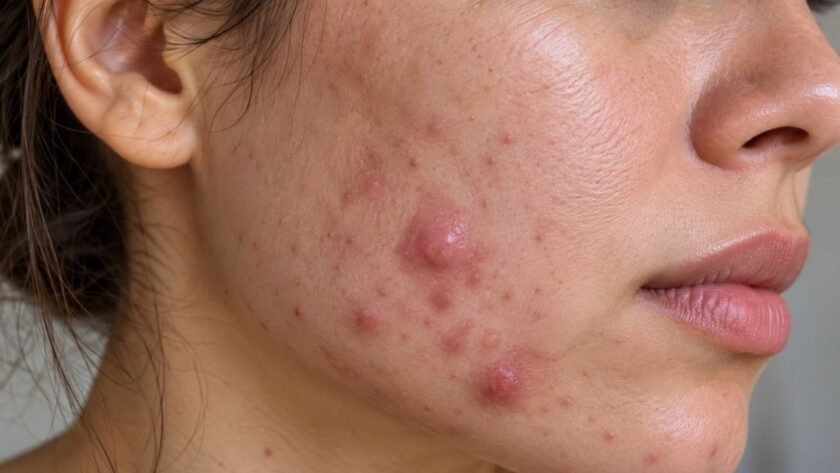
A big, red pimple appearing on your face the night before an important event can be incredibly annoying. You might have clear skin all week, only to wake up with a painful bump on your chin, forehead, or cheek when you least expect it.
Naturally, your first thought is how to get rid of that pimple overnight.
Although you can’t completely erase a pimple in a few hours, there are ways to reduce its swelling, calm irritation, and make it less noticeable by morning. The trick is knowing which treatments actually help and which popular skincare hacks might leave your skin looking worse.
Some pimples respond well to a simple spot treatment or hydrocolloid patch. Others, especially those deep, painful bumps beneath the skin, need a different approach.
Below are nine effective ways to get rid of pimples overnight, or at least improve their appearance while your skin heals. You’ll also learn what works best for different types of breakouts and what to avoid when you need your skin to look better quickly.
9 Effective Ways to Get Rid of Pimples Overnight
1. Use Ice to Reduce Pimple Swelling and Redness
If you’ve got a swollen, painful pimple that seems to be getting bigger, a cold compress is one of the simplest things you can try.
Cold temperatures temporarily narrow blood vessels and can help ease swelling and discomfort. This is especially useful for those red, inflamed pimples that feel tender when you touch them.
Ice won’t remove the clogged pore or treat the underlying cause of acne. What it can do is make an irritated bump feel less painful and potentially appear less swollen.
How to use ice on a pimple:
- Wrap an ice cube or small cold pack in a clean, soft cloth.
- Hold it gently against the affected area for about one minute.
- Remove it and allow your skin to rest.
- Repeat a few times if needed, stopping if your skin becomes uncomfortable.
Never place ice directly against your face. Direct contact, particularly for prolonged periods, can damage delicate facial skin.
You also don’t need to press hard or keep icing the spot until your skin feels numb.
For a particularly swollen pimple, you can try this before applying your usual acne treatment.
2. Apply a Benzoyl Peroxide Spot Treatment
Benzoyl peroxide is one of the better-supported ingredients for treating inflammatory acne, including those small red pimples that sometimes develop a white or yellow center.
It works by reducing acne-associated bacteria on the skin and helping control breakouts.
The American Academy of Dermatology recommends starting with a product containing 2.5% benzoyl peroxide because higher concentrations can cause more irritation without necessarily giving you better results.
How to use it:
Wash your face with a gentle cleanser and pat your skin dry. Apply a thin layer of the treatment according to the product instructions, then follow with a lightweight moisturizer if needed.
If you’re using benzoyl peroxide for the first time, be careful about applying it immediately before a big event. Some people experience dryness, peeling, stinging, or redness, particularly when they use too much.
Benzoyl peroxide can also bleach towels, pillowcases, and clothing.
A single application might help an inflamed spot begin settling, but don’t expect a large pimple to disappear overnight. Acne medications usually need consistent use over several weeks to produce their full benefits.
MUST READ==> How to Get Rid of Open Pores on Your Face with Home Remedies
3. Cover Your Pimple With a Hydrocolloid Patch Overnight
Pimple patches are particularly useful when a breakout has developed a visible white tip or has already opened.
Most basic pimple patches are made from hydrocolloid, a material that absorbs moisture while protecting the affected area.
When placed over a superficial pimple, a hydrocolloid patch can absorb fluid, protect the spot from rubbing, and stop you from touching or squeezing it.
That’s useful because repeatedly picking at a pimple can increase inflammation and make it more likely to leave a dark mark or scar.
How to use a pimple patch correctly:
- Gently cleanse your face.
- Allow the affected area to dry completely.
- Place the patch directly over the pimple.
- Leave it on for the time recommended on the packaging, often overnight.
- Remove it gently in the morning.
Avoid applying moisturizer, facial oil, or serum underneath a plain hydrocolloid patch. These products can prevent it from sticking properly.
Pimple patches work best on surface-level blemishes that contain fluid. They are much less effective for deep cystic pimples that haven’t reached the skin’s surface.
You might notice that the patch turns white after absorbing fluid. That’s normal, but it doesn’t mean the entire pimple has been removed.
4. Be Careful With Tea Tree Oil for Pimples
Tea tree oil is frequently recommended as a natural remedy for pimples because it contains compounds with antimicrobial and anti-inflammatory properties.
There is some evidence that properly formulated tea tree oil products may help mild acne. However, the research is much more limited than the evidence supporting treatments such as benzoyl peroxide.
Tea tree oil also comes with a problem: it can irritate your skin.
Applying concentrated essential oil directly to a pimple can cause redness, itching, burning, or allergic contact dermatitis. That’s the last thing you want when you’re trying to make a breakout less noticeable.
If you prefer a tea tree treatment, choose a skincare product specifically formulated for facial use rather than mixing essential oil into random ingredients at home.
Follow the instructions and patch-test the product before using it more widely.
Tea tree oil isn’t a reliable overnight solution for deep, painful acne. If your skin is already irritated, skip it and use a gentler treatment.
5. Skip the Crushed Aspirin Hack and Use Salicylic Acid Instead
You may have seen people recommend crushing an aspirin tablet, mixing it with water, and applying the paste directly to a pimple.
The idea comes from aspirin’s relationship to salicylic acid, a familiar ingredient in acne skincare.
However, aspirin contains acetylsalicylic acid, which is not the same ingredient as the salicylic acid used in properly formulated acne treatments.
Crushing a tablet and applying it to your face doesn’t give you a tested skincare formula or a predictable concentration.
It may also irritate your skin.
A better option is to use an acne product containing salicylic acid.
Salicylic acid helps loosen dead skin cells and clear clogged pores, making it particularly useful for blackheads, whiteheads, and other forms of comedonal acne.
How to use salicylic acid:
Start with a product formulated for acne-prone skin and follow its directions. If you’re new to the ingredient, use it cautiously and avoid layering it with several other exfoliating products in the same routine.
Salicylic acid won’t pull a deep pimple out of your skin overnight. Its main benefit comes from helping keep pores clear with consistent use.
ALSO READ==> How to Get Rid of Blackheads on Your Chin Naturally
6. Try a Clay Mask if Your Skin Is Very Oily
Clay masks can be useful when your skin produces excess oil, especially around your forehead, nose, and chin.
Ingredients such as kaolin and bentonite absorb some of the oil sitting on the skin’s surface.
This can leave your face looking less shiny for a while, which may make an oily breakout appear less noticeable.
However, clay masks don’t remove the deeper inflammation responsible for painful acne, and there’s little good evidence that applying clay to a single pimple will make it disappear overnight.
If you already use a clay mask and your skin tolerates it well, there’s no reason you can’t include it in your routine.
Apply a thin layer according to the product directions, rinse it off after the recommended time, and follow with moisturizer.
Don’t sleep with a clay mask on unless the product is specifically designed for overnight use.
Leaving a drying mask on for hours can cause tightness, irritation, and flaky patches.
If your skin is already dry, sensitive, or irritated from acne treatments, a clay mask probably isn’t the best choice that night.
7. Calm Irritated Skin With Aloe Vera and Niacinamide
Sometimes a pimple looks worse because the surrounding skin has become irritated.
This can happen after squeezing a breakout, using too many acne treatments, or repeatedly washing your face in an attempt to make it clear faster.
If your skin feels tight, dry, or uncomfortable, adding more strong ingredients may only make things worse.
A simple soothing routine may be more useful.
Aloe vera gel can provide a cooling, moisturizing effect, although it isn’t a proven overnight cure for acne. Niacinamide, a form of vitamin B3, is commonly used in skincare to support the skin barrier and may help with redness and excess oil over time.
Try this simple evening routine:
Cleanse your face gently and apply a fragrance-free moisturizer or a niacinamide serum you already tolerate.
If you like aloe vera, you can use a facial product containing it, provided it doesn’t irritate your skin.
There’s no need to apply multiple thick layers of aloe and serum. A simple routine is often better when your skin is inflamed.
If your pimple is accompanied by peeling or burning from acne treatments, temporarily reducing irritating products may help your skin recover.
8. Understand What Zinc Creams Can and Cannot Do
Zinc oxide appears in many skincare products, including mineral sunscreens, barrier creams, and some soothing ointments.
It helps form a protective layer over the skin and can be useful for certain types of irritation.
However, zinc oxide cream is not an established treatment for clearing acne overnight.
Thick barrier creams may protect irritated skin, but they don’t directly address all the processes involved in acne, such as clogged follicles and inflammation.
Some formulations are also quite heavy, which may not feel comfortable on oily or acne-prone skin.
If you have a small irritated area, a suitable fragrance-free barrier product may help protect it while it heals.
For an active inflammatory pimple, a proven acne treatment is generally a better choice.
Be particularly cautious about using diaper-rash creams, calamine products, or other zinc-containing preparations all over your face simply because someone online recommends them.
Their ingredients and intended uses vary, and they aren’t interchangeable with acne medication.
9. Use a Cool Green Tea Compress to Soothe Your Skin
Green tea contains polyphenols, including compounds called catechins, that have attracted research interest for their potential effects on inflammation and oil production.
Some studies have examined green tea extracts in skincare formulations for acne, but that doesn’t mean placing brewed green tea on a pimple will clear it overnight.
Still, a cool green tea compress can be a gentle way to soothe your skin if you enjoy using simple skincare remedies.
How to try it:
- Brew a cup of plain green tea without sugar or other additions.
- Allow it to cool completely.
- Soak a clean cotton pad or soft cloth in the tea.
- Hold it gently against the affected area for a few minutes.
- Remove it and continue with your usual moisturizer.
Avoid rubbing the area or using very cold, frozen tea cubes directly against your face.
The cooling effect may temporarily make your skin feel more comfortable. Just don’t rely on it as your main acne treatment.
If your skin is particularly sensitive, even botanical ingredients can cause irritation, so discontinue use if you notice stinging or itching.
A Few Things to Do Before Bed
When you’re dealing with an unexpected breakout, the temptation is to try every treatment in your bathroom cabinet.
That usually isn’t a good idea.
For tonight, keep your routine straightforward:
- Wash your face gently without scrubbing.
- Use one suitable acne treatment rather than several strong products together.
- Apply a lightweight, non-comedogenic moisturizer.
- Avoid picking, squeezing, or repeatedly checking the pimple.
- Keep oily hair products away from your face.
- Remove your makeup before sleeping.
Changing a dirty pillowcase is reasonable, particularly if it has accumulated hair products or makeup, but a fresh pillowcase won’t cure an existing pimple overnight.
Drinking water is good for normal hydration, but drinking an extra glass before bed won’t flush acne-causing toxins out of your skin.
Your goal is to avoid making the inflammation worse while the pimple begins to heal.
Overnight Fixes for Every Type of Acne
Not every pimple responds to the same treatment.
A small white-tipped breakout may benefit from a hydrocolloid patch, while a painful lump beneath the skin needs more careful treatment. Blackheads are different again because they involve clogged pores rather than the same kind of inflammation seen in red pimples.
Knowing what type of breakout you’re dealing with can save you from wasting time on treatments that aren’t suitable for your skin.
ALSO READ==> 10 Must-Know Beauty Tips for Oily Skin
1. For Whiteheads (Small White Bumps or Pus-Filled Pimples)
Whiteheads are clogged pores that remain closed at the skin’s surface. They often appear as small, pale bumps.
A pimple with a white or yellow pus-filled center is technically called a pustule. Although people often call both whiteheads, they aren’t quite the same.
If you have a superficial pus-filled pimple, a hydrocolloid patch may help absorb fluid and protect it from picking.
What to do tonight:
- Wash your face with a gentle cleanser.
- Pat your skin completely dry.
- Apply a plain hydrocolloid patch to a suitable surface-level pimple.
- Leave it in place according to the manufacturer’s directions.
For closed whiteheads, salicylic acid or adapalene can help clear clogged pores over time, but neither is likely to remove them in one night.
Don’t squeeze a whitehead to make it disappear faster. You could turn a small, barely noticeable bump into an inflamed spot that takes much longer to heal.
2. For Blackheads (Tiny Dark Dots That Won’t Budge)
Blackheads commonly appear around the nose, chin, and forehead.
They develop when oil and dead skin cells collect inside a pore and the material at the opening becomes exposed to air. The dark color comes from oxidation, not trapped dirt.
Unlike inflamed pimples, blackheads usually aren’t painful or swollen.
Because of this, icing them or applying a pimple patch won’t do much.
What to do tonight:
Apply a salicylic acid product if it’s already part of your routine and your skin tolerates it. Follow with a non-comedogenic moisturizer.
For longer-term treatment, adapalene can help prevent pores from becoming clogged.
Avoid digging at blackheads with your fingernails or squeezing them aggressively. This can damage the surrounding skin.
You might notice some improvement in skin texture after using a suitable product, but clearing established blackheads usually takes weeks rather than hours.
3. For Red, Inflamed Pimples (The Classic Angry Spot)
These are the pimples that tend to attract attention because they’re red, raised, and sometimes painful.
Inflammation causes the swelling and tenderness, so your immediate goal is to avoid aggravating the area.
What to do tonight:
- Cleanse your face gently.
- Apply a cool compress for short intervals if the pimple is swollen.
- Use a thin layer of 2.5% benzoyl peroxide if your skin tolerates it.
- Apply a lightweight moisturizer where needed.
If the pimple has opened or is releasing fluid, a plain hydrocolloid patch may be more useful than applying multiple treatments to the irritated surface.
Avoid using hydrocortisone cream as a routine acne spot treatment unless a healthcare professional specifically recommends it. Topical steroids can cause skin problems, including acne-like eruptions, when used inappropriately.
For a mild inflamed pimple, these measures may help it look calmer by morning. Larger bumps often need more time.
4. For Cystic Acne (Deep, Painful Under-the-Skin Bumps)
Cystic acne is different from an ordinary surface pimple.
These breakouts develop deeper within the skin and may feel like painful lumps. Sometimes you can feel the bump before there’s much to see on the surface.
Trying to squeeze one can force inflammation deeper into the surrounding tissue and increase the risk of scarring.
What to do tonight:
Apply a clean, warm, damp washcloth to the affected area for 10–15 minutes. You can repeat this up to three times daily, using a clean cloth each time.
The American Academy of Dermatology recommends warm compresses to help deep pimples move toward the skin’s surface. It also advises avoiding squeezing and seeking professional care for persistent or multiple deep breakouts.
A suitable acne treatment may help once the lesion is closer to the surface, but don’t expect an ordinary spot treatment to flatten a large cyst overnight.
If you have an especially painful cyst before an important event, a dermatologist may offer a corticosteroid injection.
This can flatten many treated acne nodules or cysts within approximately 48–72 hours, although results vary. It’s a medical procedure, not something to attempt at home.
Repeated deep breakouts deserve professional treatment because they can leave permanent scars.
5. For Hormonal Acne (Chin, Jawline, and Period Breakouts)
Hormonal acne is common among adult women and often appears around the lower face, particularly the chin and jawline.
Some women notice that their breakouts become worse in the days leading up to their period.
These pimples can be especially frustrating because they may return in similar areas every month.
What to do tonight:
Treat the visible breakout according to its type.
A small inflammatory pimple may respond to benzoyl peroxide, while a deep, painful bump may benefit from a warm compress and professional assessment if it persists.
Avoid repeatedly applying drying treatments to the entire jawline.
If you experience recurring hormonal breakouts, a longer-term treatment plan will usually be more effective than trying to treat each pimple separately.
Dermatologists may recommend treatments such as topical retinoids, spironolactone, or certain combined oral contraceptives, depending on your health and circumstances.
You may have heard that drinking spearmint tea before bed helps balance hormones and clear pimples. There isn’t strong clinical evidence that a cup of spearmint tea will improve an active breakout overnight.
If you’re pregnant or trying to conceive, check with a healthcare professional before using acne medication, particularly retinoids or hormonal treatments.
6. For Fungal Acne (Small, Itchy Bumps on the Forehead or Chest)
What people commonly call fungal acne is often a condition known as Malassezia folliculitis.
Despite its nickname, it isn’t the same as ordinary acne.
It develops when Malassezia yeast contributes to inflammation inside hair follicles. The bumps often look similar in size, may be itchy, and commonly appear on the forehead, chest, shoulders, or back.
Unlike ordinary acne, Malassezia folliculitis generally doesn’t produce blackheads or whiteheads.
What to do tonight:
Wash the affected area gently and avoid heavy, greasy products that seem to worsen the bumps.
If you suspect Malassezia folliculitis, seek an accurate diagnosis rather than repeatedly treating it as ordinary acne.
A clinician may recommend antifungal treatments containing ingredients such as ketoconazole or selenium sulfide. The appropriate product, application method, and treatment duration depend on the diagnosis.
Antifungal shampoos are sometimes used as skin treatments, but not every shampoo is suitable for facial use, especially near the eyes.
DermNet notes that Malassezia folliculitis can resemble other skin conditions and may need examination or testing to confirm the diagnosis.
Even with the right treatment, these bumps generally don’t disappear overnight.
7. For Acne Scabs or Healing Breakouts
If you’ve already picked at a pimple and it’s left a scab, the best approach is to protect the damaged skin while it heals.
Applying strong acne treatments directly to an open or irritated area can cause more burning, dryness, and inflammation.
What to do tonight:
- Gently wash the area with water and a mild cleanser.
- Pat it dry without rubbing.
- Apply a very thin layer of plain petroleum jelly to a small healing wound, if appropriate, or use a suitable hydrocolloid dressing.
- Leave the area alone while it heals.
Avoid picking off the scab, even if it looks dry or loose. Removing it too early can reopen the skin and delay healing.
Once the surface has healed, daily sunscreen can help reduce the chance that inflammation leaves a lingering dark mark.
This is especially relevant for women with medium to deep skin tones, who may experience post-inflammatory hyperpigmentation after acne.
If the area becomes increasingly painful, hot, swollen, or starts developing spreading redness or pus, seek medical advice.
How Long Does It Actually Take for Pimples to Go Away?
Even with a good skincare routine, most pimples need more than one night to heal.
A small, superficial breakout may settle within a few days. Larger inflammatory pimples can take longer, and deep cystic acne may persist for weeks.
The time depends on how deeply the inflammation develops, whether the pimple is irritated or squeezed, and the treatment you’re using.
If you frequently develop new pimples, prevention matters as much as treating the ones you already have.
According to the American Academy of Dermatology, many acne treatments need approximately four to eight weeks before you notice fewer breakouts. More substantial clearing can take around 16 weeks.
That means switching to a different product every few nights because you haven’t seen immediate results can work against you.
For recurring mild acne, choose an appropriate treatment and use it consistently as directed. If you have deep, painful, scarring, or persistent breakouts, see a dermatologist rather than continuing to experiment with home remedies.
What Not to Put on Pimples Overnight
Some popular DIY treatments can irritate your skin without helping acne.
Toothpaste is a common example. It contains ingredients designed for cleaning teeth, not treating inflamed facial skin. The American Academy of Dermatology specifically advises against using it as an acne treatment.
Lemon juice, undiluted essential oils, rubbing alcohol, and harsh homemade scrubs can also damage or irritate the skin.
And while it may seem logical to wash your face repeatedly to remove excess oil, overwashing can leave your skin dry and irritated.
If your pimple looks particularly noticeable tonight, resist the urge to attack it with several treatments at once.
A gentle cleanser, one suitable acne treatment, and a moisturizer are usually enough for an evening routine.
You may not wake up with completely clear skin, but avoiding unnecessary irritation gives the pimple a better chance to settle without leaving a bigger problem behind.



[…] ALSO READ==> 9 Effective Ways to Get Rid of Pimples Overnight […]